

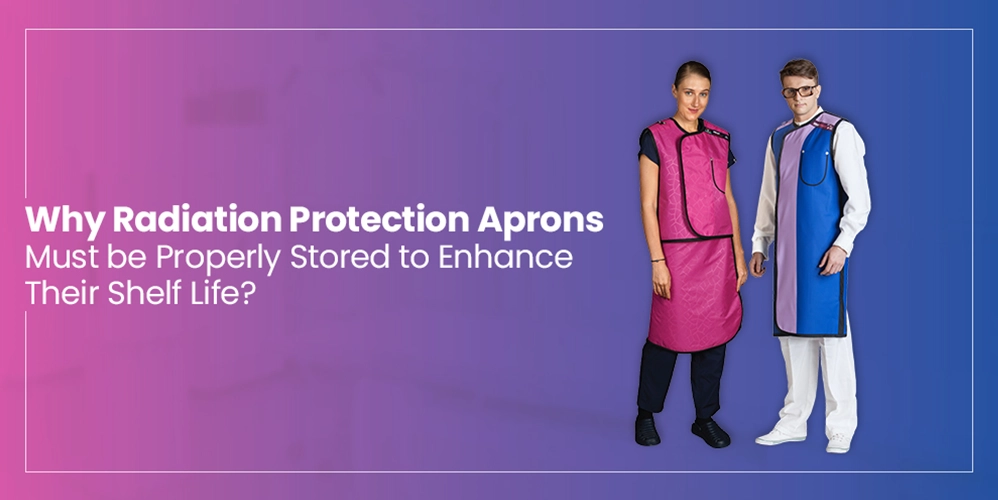
Why Radiation Protection Aprons Must Be Properly Stored to Enhance Their Shelf Life
24 Feb 2026
Radiation Protection Aprons are essential safety tools for healthcare professionals working in high-exposure environments such as radiology, cath labs, interventional suites, and operating rooms. As part of the broader category of radiation protection products, these aprons act as the primary shield against scattered radiation, reducing cumulative exposure and safeguarding vital organs.
While hospitals invest heavily in high-quality aprons, one often-overlooked factor significantly influences their longevity and effectiveness, and that is proper storage. Incorrect handling may compromise the apron’s internal s tructure, reduce its protective value, and unknowingly put staff at risk.
Understanding why storage matters and how to do it correctly helps ensure these aprons remain durable, compliant, and safe for daily use.
Understanding Radiation Protection Aprons
Radiation Protection Aprons are designed using specialised materials that absorb and attenuate X-rays. These materials may include:
- Lead
- Lead-free shielding (bismuth, antimony)
- Composite blends
All these materials serve one purpose: to block scatter radiation and protect healthcare staff during imaging or interventional procedures.
Common Types of Radiation Protection Aprons
- Frontal aprons
- Wraparound aprons
- Skirt-and-vest combinations
- Thyroid shields
- Mobile shielding accessories (part of radiation protection products)
Each apron type must maintain its flat, crack-free internal layers to ensure consistent radiation attenuation, making correct storage essential.
Why Proper Storage Is Critical
Improper storage significantly reduces the lifespan and safety performance of Radiation Protection Aprons. Here’s why proper storage is non-negotiable:
1. Preserves Core Material Integrity
Shielding layers inside aprons must remain smooth and undamaged. Folding or compressing the apron can create micro-cracks that reduce radiation protection capability.
2. Extends the Lifespan of Radiation Protection Products
With correct handling and storage, aprons can often last 1–3 years or more. Poor storage practices can shorten this drastically.
3. Ensures Compliance with Radiation Safety Standards
Standards from bodies like AERB, BIS, and global regulators emphasise proper care, maintenance, and storage of all radiation protection products.
4. Prevents Invisible Damage
Many internal cracks go unnoticed until a leakage test is performed. Proper storage prevents such hidden deterioration.
5. Maintains Staff Safety
A compromised apron exposes users to unnecessary radiation, making proper storage essential for occupational safety.
Common Storage Mistakes to Avoid
Hospitals often handle Radiation Protection Aprons incorrectly without realising the impact. Common mistakes include:
Folding or Rolling Aprons
This causes internal cracks and weak spots.
Leaving Aprons on Chairs or Equipment
This puts uneven pressure on shielding layers.
Storing in Humid or Hot Rooms
Heat and moisture degrade both outer fabric and internal materials.
Using Thin Hooks Instead of Wide Hangers
Thin hooks create pressure points that deform apron cores.
Stacking Multiple Aprons
Excess weight compresses the inner lead or composite layers.
Direct Sunlight Exposure
UV light damages the apron’s outer coating.
Avoiding these mistakes significantly improves the durability of Radiation Protection Aprons and other radiation protection products.
Best Practices for Proper Apron Storage
To maximise the life and performance of Radiation Protection Aprons, adopt the following storage practices:
Hang Aprons on Wide, Padded Hangers
This supports the apron evenly and prevents creasing.
Use Dedicated Apron Racks
These are designed to hold the aprons safely and can be part of your hospital’s radiation protection products inventory.
Store in a Climate-Controlled Environment
Maintain:
- Moderate temperature
- Low humidity
- No direct sunlight
Keep Aprons Flat and Never Folded
Flat, natural draping protects internal shielding layers.
Clean with Approved Solutions Only
Avoid harsh chemicals that damage outer materials.
Use Labelling and Tracking
Track:
- Purchase dates
- Inspection dates
- Department usage
This ensures proper rotation and maintenance.
Train Staff on Proper Handling
Make apron safety a part of the hospital’s standard operating procedures.
Enhancing Apron Shelf Life Through Regular Maintenance
Even the best Radiation Protection Aprons require routine inspection to maintain safety standards.
1. Perform Annual Radiation Leakage Tests
This is essential to verify whether the apron still provides sufficient attenuation.
2. Conduct Visual and Tactile Inspections
Check for:
- Cracks
- Surface wear
- Soft spots
- Hard lumps
- Bubbling or thinning
3. Follow Repair vs. Replace Guidelines
Minor outer coating damage may be repairable, while internal core damage means immediate replacement.
4. Maintain Documentation
Maintain detailed logs for all radiation protection products, including aprons, shields, and accessories.
5. Biomedical Team Oversight
Your biomedical engineering team should oversee inspection, safety reports, and compliance documentation.
Creating a Safety-First Culture
Proper storage of Radiation Protection Aprons is ultimately a team effort. Strengthen departmental culture through:
- Regular training sessions
- Safety posters near apron storage areas
- Accountability for apron handling
- Annual refresher programs
- Immediate reporting of suspected damage
A well-informed team ensures that radiation protection products remain safe, durable, and compliant.
Protecting Your Team Through Proper Apron Storage
Radiation Protection Aprons are a critical component of your healthcare facility’s radiation protection products portfolio. With proper storage, maintenance, and handling, these aprons provide reliable l ong-term protection, also helping hospitals maintain compliance with safety standards.
Trivitron Healthcare supports medical institutions with high-quality radiation protection products designed for durability, comfort, and superior shielding performance. Their expertise, product range, and commitment to safety help hospitals establish the right practices for apron care and storage.
By prioritising apron storage best practices today, healthcare facilities can ensure better protection for their teams and extend the lifespan of these essential safety devices.