

Newborn screening procedures: a walk-through
Imaging
08 Mar 2019
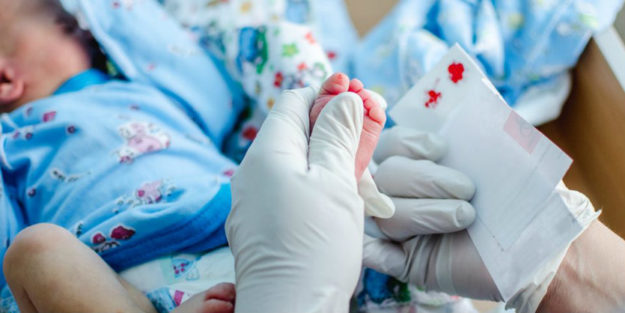
Taking the baby home sure is an exhilarating experience for parents. Nowadays, getting a baby screened for various diseases have become inevitable. Screening an infant ensures the fact that the baby is free from any disorder, which is non-apparent at birth. It also rules out the possibility of any potential anomaly that might eventually build up to something of grave concern. With people becoming more health conscious, newborn screening is gaining more importance and is at the verge of becoming a standard practice. The government too, has recognized its vitality and has, therefore, been instrumental in making newborn screening a mandatory medical procedure. A ‘walkthrough’ will help get better clarity of the subject. When Newborn screening usually begins 48 hours after the baby is born, while he or she is still in the hospital. Anytime later than the specified, presents the risk of delayed treatment for an infant who by chance, might be positive for any disorder and a delayed treatment might render certain treatable disorders to transform into serious irreversible conditions. Some hospitals even advice parents in consultation with the baby's paediatrician, to go for a second blood test when the baby is 1 to 2 weeks old. Optimally, newborn screening is done using the following three methods:
- Blood tests
- Hearing test
- Critical Congenital Heart Disease (CCHD) screening
- Otoacoustic Emissions Test to identify if certain parts of the baby’s ear respond to sound.
- Auditory Brain Stem Response Test which is performed to analyse the response of hearing nerves and brain to sound.