

Why Surgeons Should Wear Radiation Protection Gloves During X-Ray or Fluoroscopy Procedure?
15 Mar 2026
Why Surgeons Should Wear Radiation Protection Gloves During X-Ray or Fluoroscopy Procedure?
Surgeons require X-rays and fluoroscopy for their current medical procedures, which utilize medical imaging to provide precise diagnosis and treatment. The surgical team relies on these imaging technologies to obtain real-time guidance during both orthopedic and endovascular operations. The medical technology delivers major benefits to patients; however, it creates a health danger to surgeons who experience multiple times of ionizing radiation, which particularly harms their hands since those body parts face the radiation beam.
Why are hands at radiation risk?
X-rays that scatter for brief periods pose a danger because they accumulate over time, causing damage to skin, soft tissues, and bones. Surgeons who conduct numerous procedures with fluoroscopy-based guidance face an elevated risk of developing radiation-related health issues, which include skin burns, dermatitis, and hand cancer in uncommon instances. Continuing to work without protection results in repeated exposure, which creates permanent harm, reduces hand capabilities, and creates ongoing medical issues.
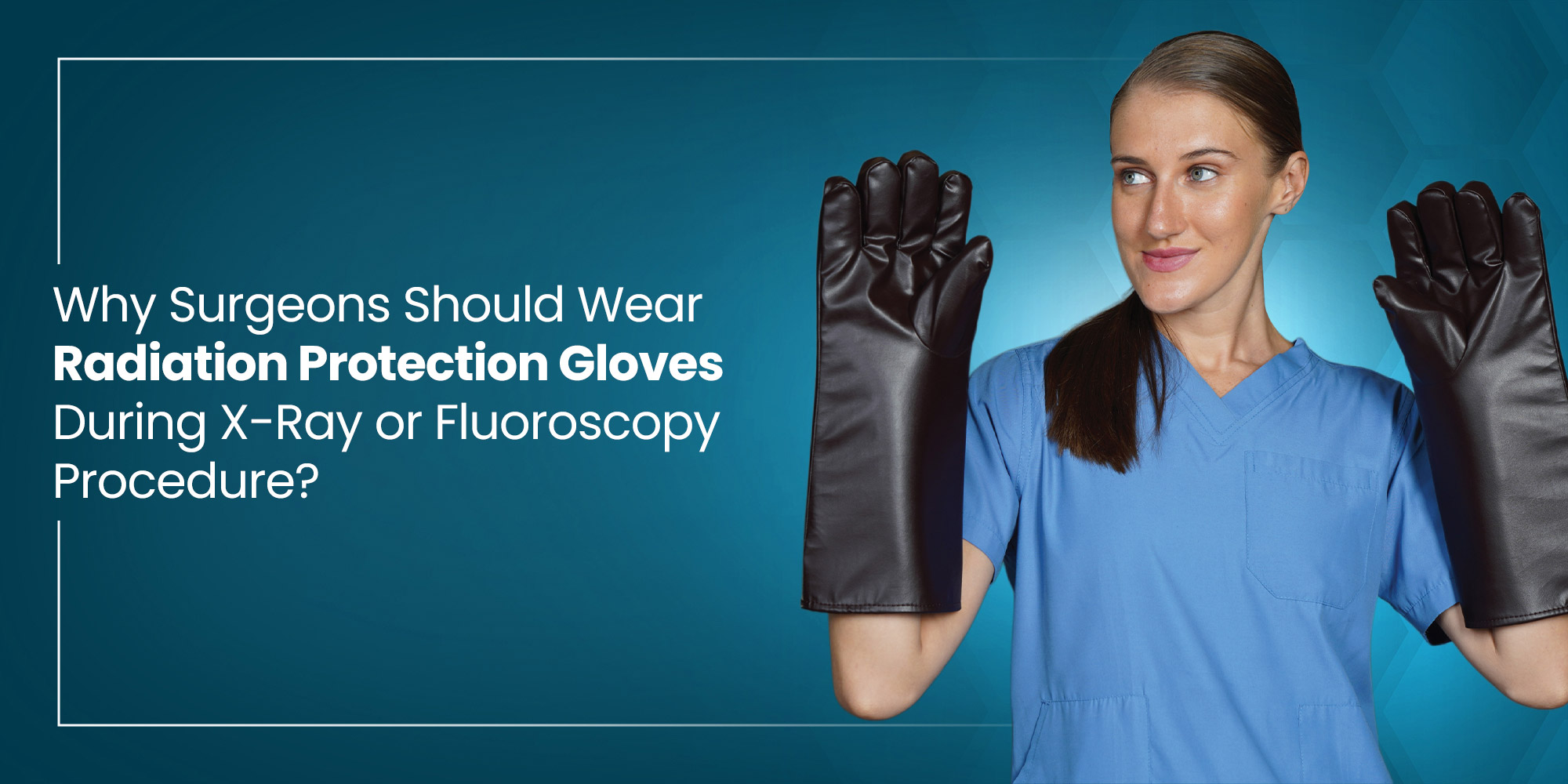
3Radiation protection gloves are essential in this situation. The gloves function as a protective barrier because their lead or bismuth composite materials absorb most of the X-ray scatter, resulting in a considerable reduction in radiation exposure to the user.
The following reasons demonstrate why all surgeons must make these items their top priority.
1. Shields Against Skin Damage and Burns
X-ray radiation leads to hand skin damage through its multiple exposures, resulting in skin redness, irritation, and persistent damage. Radiation protection gloves shield wearers from scattered radiation, providing a 70 to 90 percent reduction that protects their skin from inflammation and prevents permanent tissue damage. Surgeons maintain their work efficiency by using gloves to protect themselves from medical conditions that could disrupt their professional activities.
2. Reduces Risk of Radiation-Induced Cancer
During imaging procedures, the hands experience the highest radiation exposure. The cumulative exposure throughout a person's job results in higher chances of developing localized cancers, which include skin cancers and, in some cases, deep tissue tumors. Protective gloves serve as effective disease-prevention tools, reducing the risk of developing serious medical conditions throughout a person's life.
3. Prevents Musculoskeletal and Tissue Complications
High radiation exposure harms both the skin and the deep connective tissue and bone structures of the hand. The first signs of this condition appear through skin thickening and fibrosis, which may lead to severe bone modifications at later stages. Radiation protection gloves absorb most harmful rays to protect the surgeon's hands from developing permanent functional disabilities.
4. Supports Safe Practice Without Compromising Precision
The radiation protection gloves allows users to move freely because they lack the weighty restrictions of traditional heavy shields. Surgeons use their hands to maintain tactile sensation while working with delicate tools, stitching threads, and manipulating small wires. The safety protocols protect patients by ensuring that the surgical methods doctors use for intricate medical operations are conducted safely.
5. Promotes Long-Term Health Awareness
The use of protective gloves creates an environment where people practice radiation safety. Surgeons who use hand-held dosimeters gain awareness of their exposure. They use the devices to track radiation exposure and choose the duration of their procedures and the amount of beam radiation to use. This method reduces health risks while maintaining work experience.
Radiation protection gloves protect medical professionals from skin burns, reduce the risk of cancer development, and maintain hand mobility, enabling doctors to treat patients without risking their own health. The unseen threat can only be defeated with awareness, preventive measures, and the use of radiation protection gears.