

What Determines the Cost of a Dialysis Machine in India?
19 Nov 2026
Setting up or upgrading a dialysis unit involves more than choosing a machine within budget. Healthcare providers must consider treatment requirements, patient safety, operational efficiency and the costs of maintaining the equipment over time.
So, what determines the Dialysis Machine Price In India? The answer depends on several factors, including the machine’s capabilities, configuration, installation requirements and the support available after purchase. Understanding these considerations can help hospitals and dialysis centres make informed procurement decisions.
1. Technology, Features and Treatment Requirements
The features and technology used in a hemodialysis machine play an important role in determining its price. Different models offer different levels of functionality, depending on their configuration.
When comparing machines, hospitals should identify the features that best suit their clinical protocols and daily workflows. Choosing the right configuration helps balance clinical requirements with the overall investment. Some features to consider include:
- Touchscreen controls: Make machine operation and navigation easier.
- Treatment data storage: Helps store patient and treatment-related information.
- Ultrafiltration monitoring: Supports monitoring of fluid removal during dialysis.
- Conductivity profiling: Helps monitor dialysate conductivity.
- Blood pressure monitoring: Allows monitoring of the patient's blood pressure during treatment.
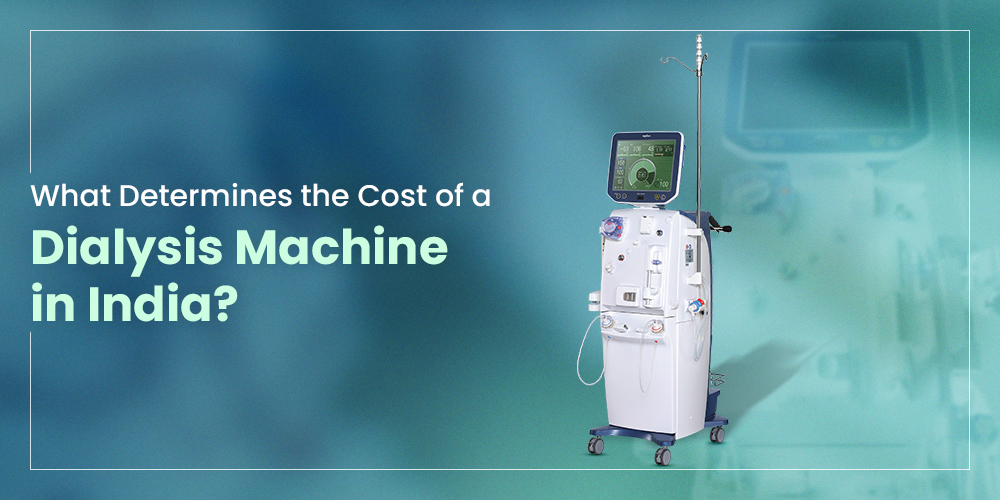
For example, Trivitron Healthcare's Nikkiso DBB 27 hemodialysis system features a 12.1-inch colour touchscreen, patient data storage and monitoring functions.
2. Machine Configuration and Safety Features
The Hemodialysis Machine Price also depends on the configuration selected. Optional functions, accessories and monitoring modules can affect the final quotation.
Safety-related features are particularly important in dialysis settings. Depending on the model, these may include air-bubble and blood-leak detection, monitoring of pumps and valves, and system self-tests. These functions help support treatment monitoring and equipment operation, but buyers should verify the specifications and intended use of each model.
When comparing quotations, check which features are included as standard and which are optional. This makes it easier to compare machines on a like-for-like basis.
3. Installation and Supporting Infrastructure
The machine itself is only one part of a functional dialysis setup. Facilities may need to account for water treatment, plumbing, electrical connections, power backup, dialysis chairs and other supporting equipment.
Water quality is especially important for hemodialysis. A suitable water treatment system, such as a reverse osmosis (RO) plant, may be required depending on the facility’s existing infrastructure and applicable standards. Space, installation work and commissioning requirements can also affect the initial investment.
For this reason, the Hospital Dialysis Equipment Price should be assessed as part of the complete setup rather than as the cost of the machine alone. Ask suppliers to clearly separate equipment, installation and infrastructure charges in their quotations.
4. Consumables and Ongoing Operating Costs
When calculating the Dialysis Machine Cost In India, hospitals should consider the total cost of ownership over time. A machine with a lower purchase price may involve higher running and maintenance costs, making it important to evaluate long-term expenses before investing.
The cost of a dialysis machine goes beyond its initial purchase price. Hospitals must also account for the recurring expenses involved in running the equipment. They may vary depending on the number of treatments performed, equipment requirements and operating conditions. These include:
- Treatment consumables: Blood tubing sets, dialysers, fistula needles and dialysis concentrates.
- Utility costs: Electricity and water treatment.
- Maintenance: Regular disinfection, preventive servicing and replacement parts.
5. Warranty, Maintenance and Supplier Support
Reliable after-sales support matters when equipment is used regularly in a clinical environment. Delays in servicing or obtaining replacement parts can disrupt schedules and place additional pressure on hospital teams.
Before making a decision, ask about warranty coverage, preventive maintenance, service response times, spare-part availability, operator training and the cost of any extended service agreement. Confirm what is included in the purchase price and what will be charged separately.
When evaluating Dialysis Machine Suppliers In India, consider their ability to provide technical assistance and ongoing support, not just the initial quotation. Clear service terms can help facilities plan maintenance and manage equipment downtime.
6. How to Compare Quotations Effectively
The most affordable option may not always be the most suitable. Choose a machine that meets your clinical and operational requirements while offering long-term value. Before investing in a dialysis machine, hospitals should assess their clinical requirements, expected treatment volume, existing infrastructure and budget. Keep these factors in mind when comparing supplier quotations:
- Equipment and features: Check the machine model and its standard and optional features.
- Installation and training: Confirm whether installation, commissioning and staff training are included.
- Warranty and maintenance: Review warranty coverage and ongoing service costs.
- Operating expenses: Account for consumables, utilities and other recurring costs.
- Compliance: Verify product specifications, applicable regulatory requirements and compatibility with your facility's infrastructure.
Trivitron Healthcare offers renal care solutions, including Nikkiso hemodialysis systems. Explore the product specifications or contact the team to discuss your facility's requirements.
Frequently Asked Questions
1. What determines the Dialysis Machine Price In India?
Price depends on the model, technology, included features, optional modules, installation requirements, warranty, and supplier support.
2. What additional costs should hospitals consider?
Hospitals may need to budget for water treatment, electrical and plumbing work, dialysis chairs, consumables, staff training, maintenance, and replacement parts.
3. Is a lower Hemodialysis Machine Price always better?
Not necessarily. Compare clinical features, operating costs, service support, warranty, and consumable requirements alongside the upfront price.
4. How can hospitals evaluate Dialysis Machine Suppliers In India?
Review product specifications, service coverage, spare-part availability, training, warranty terms, and the clarity of the supplier’s quotation.