

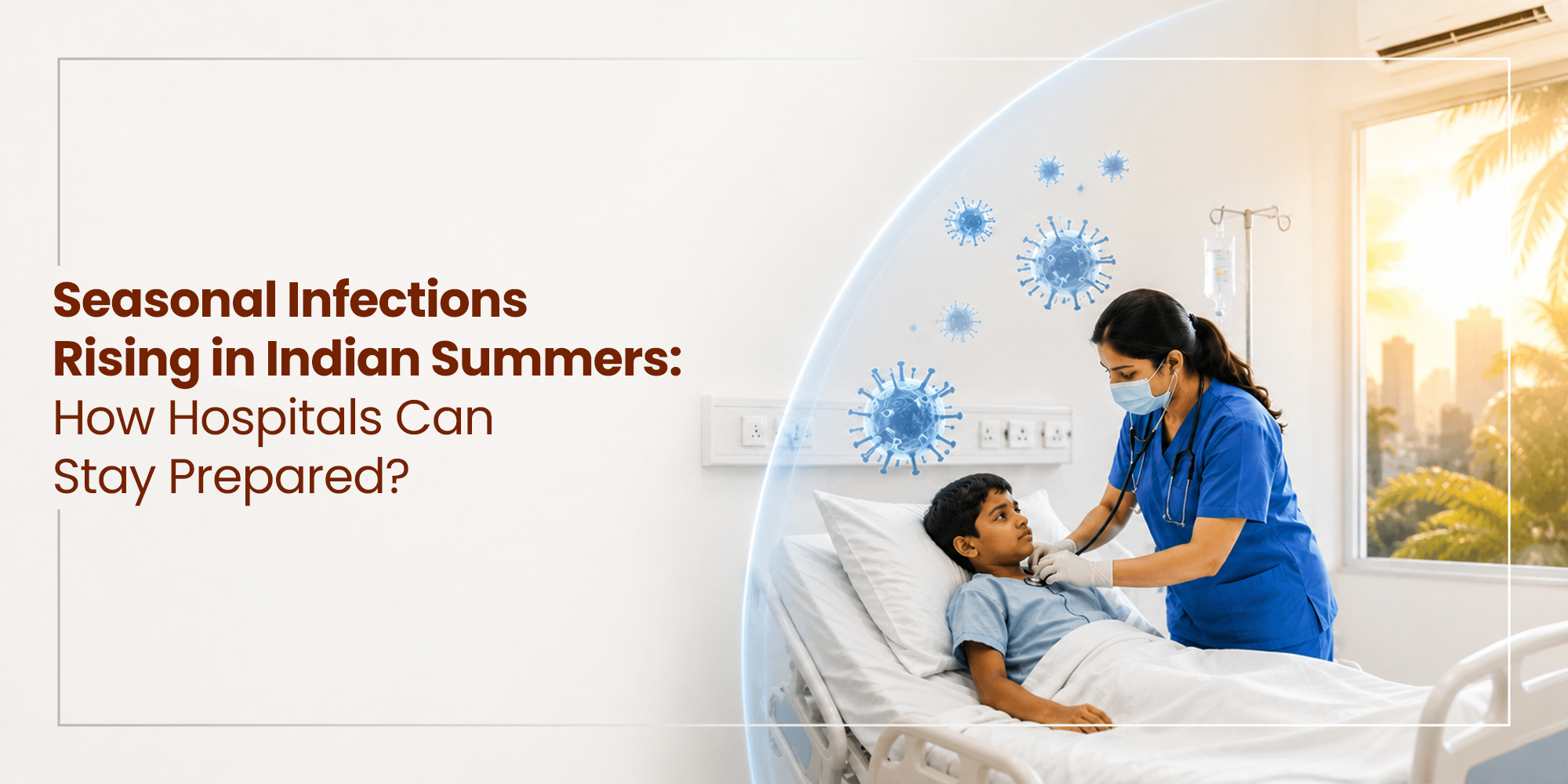
Seasonal Infections Rising in Indian Summers
24 Apr 2026
Seasonal Infections Rising in Indian Summers: How Hospitals Can Stay Prepared?
As temperatures begin to rise across India with the onset of summer, the hospitals and diagnostic labs experience an increase in seasonal infections, which becomes more severe for doctors and medical staff. The summer season introduces professionals to specific challenges that demand timely preparedness for medical situations, while executing timely diagnoses and delivering prompt treatment.
For healthcare providers, it's a critical phase because they need to identify patients who require immediate treatment to achieve better health results.
Why Do Infection Levels Rise During the Summer Season?
The Indian summer season provides optimal conditions for pathogen development. Increased heat, humidity fluctuations, and water contamination all work together to create conditions that allow infections to spread. The situation worsens because people do not drink enough water, eat enough food, or dispose of waste properly, which allows mosquitoes to breed.
The common infections that occur during this time period include:
- Dengue and malaria (vector-borne infections)
- Typhoid and gastroenteritis (water and food-borne infections)
- Viral fever and influenza
- Skin and eye infections
The seasonal increase in patient numbers creates additional challenges for hospitals, as they must handle more patients while maintaining precise, fast diagnostic processes.
The Critical Role of Diagnostics in Seasonal Infection Management
Infectious diseases that occur in summer often have common symptoms, including fever, fatigue, and body aches. This is where advanced diagnostic support becomes essential.
Laboratory solutions help in:
- Infections get detected in their early stages
- The system distinguishes between viral and bacterial infection sources
- The system tracks the development of medical conditions
- The system helps medical professionals make treatment choices at the appropriate times.
Healthcare professionals can provide faster, more precise patient care through high-quality diagnostic kits, including rapid test kits for infectious diseases, biochemistry analyzers for routine panels, and immunoassay-based detection systems.
Hospitals should invest in building scalable diagnostic systems to better manage patient care during periods of high infection activity.
How Hospitals Can Strengthen Preparedness?
Hospitals and labs must adopt proactive strategies to prepare for the upcoming seasonal increase in infections.
1. Upgrade Diagnostic Capabilities
The testing facility should maintain a stock of rapid-testing equipment, including dengue, malaria, and typhoid testing kits. Automated analyzers can help manage increased testing volumes without compromising accuracy.
2. Evolve or Upgrade Workflow Efficiency
All testing facilities need to establish efficient lab procedures as patient volume continues to rise. Integrated systems like LIS (Laboratory Information Systems) and automated platforms can reduce turnaround time and minimize manual errors.
3. Maintain Adequate Inventory
The organization should stock essential diagnostic kits, reagents, and consumables in advance to prevent last-minute shortages during peak demand.
4. Strengthen Infection Control Protocols
To stop the spread of infections within their facilities, hospitals need to strengthen their hygiene practices, isolation procedures, and staff training programs.
5. Enable Faster Clinical Decision-Making
Clinicians can start treatment with fast, precise diagnostic tests that reduce medical problems and shorten hospital stays.
The protection methods that hospitals use to protect their patients and the surrounding areas must be implemented through both hospital activities and community education programs.
Implementing preventive measures can reduce the total number of diseases affecting the population.
Preventive Measures for Patients & Communities
While hospitals prepare internally, awareness at the community level is equally important. Encouraging preventive practices can significantly reduce disease burden:
- People should drink only safe water and avoid eating food from street vendors during extreme hot weather.
- People should keep themselves fresh through proper handwashing methods and proper cleaning practices.
- People should use mosquito repellents when staying away from areas with standing water.
- People should drink water regularly and avoid prolonged exposure to direct sunlight.
- People should see a doctor if they have a fever that lasts more than 2 days.
Combining prevention methods with early disease detection is the most powerful way to control infections that occur during specific seasons.
To Sum Up
The seasonal infections that occur in the summer follow a predictable pattern, yet their effects can be managed through effective readiness measures.
The required operational capacity for hospitals and diagnostic laboratory centers is based on their ability to deliver diagnostic results quickly and accurately, and to handle growing testing demands.
FAQs
Q1. Which infections are most common during Indian summers?
Dengue, malaria, typhoid, viral fever, and gastroenteritis represent the main diseases that doctors diagnose during this time period.
Q2. Why is early diagnosis important in seasonal infections?
Early detection enables doctors to start treatment promptly, protecting patients from complications and slowing the spread of the disease.
Q3. How can hospitals manage increased patient load during this period?
Hospitals need to build more robust diagnostic systems, ensure their diagnostic kits are ready for use, and streamline operational processes.
Q4. Can seasonal infections be prevented?
The answer is yes when people practice proper hygiene, consume safe food and drinking water, conduct mosquito management activities, and seek medical help at the first signs of illness.