

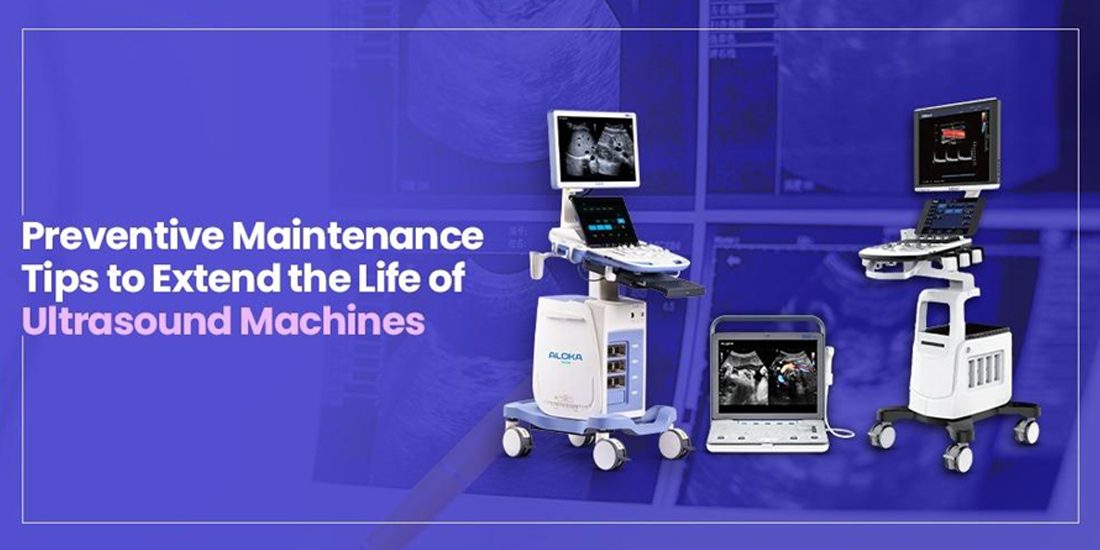
Preventive Maintenance Tips to Extend the Life of Ultrasound Machines
10 Apr 2026
Ultrasound machines play a critical role in modern diagnostics. From routine pregnancy scans to advanced abdominal, cardiac, and vascular imaging, these systems are used daily and often continuously. Given their importance and investment value, maintaining ultrasound equipment is not just a technical necessity but a strategic decision for healthcare providers.
Preventive maintenance helps ensure consistent image quality, reduces unexpected breakdowns, and significantly extends the operational life of ultrasound systems. Whether you’re managing a large hospital or a growing diagnostic centre, understanding how to care for your ultrasound machines can help protect both clinical outcomes and long-term costs.
In this blog, we explore practical preventive maintenance tips that help maximise performance, minimise downtime, and ensure you get the best value from your ultrasound investment.
Why Preventive Maintenance Matters for Ultrasound Machines
Ultrasound systems are complex medical devices that combine sensitive electronics, software, probes, and mechanical components. Daily use, environmental factors, and improper handling can gradually affect their performance.
Without regular maintenance:
- Image quality may deteriorate
- Probes may fail prematurely
- Software errors may go unnoticed
- Repair costs can increase significantly over time
Preventive maintenance focuses on early detection and routine care, helping healthcare facilities avoid costly repairs and extend the lifespan of their equipment, regardless of the ultrasound machine cost or brand.
1. Maintain a Clean and Controlled Environment
One of the simplest yet most overlooked aspects of ultrasound machine care is the environment in which it operates.
Best practices include:
- Keeping the room dust-free to prevent internal contamination
- Maintaining stable temperature and humidity levels
- Avoiding direct exposure to sunlight or moisture
- Ensuring proper ventilation around the machine
Dust accumulation can affect cooling fans and internal circuitry, while high humidity may damage sensitive components. A clean environment supports both machine longevity and consistent performance.
2. Handle Ultrasound Probes with Care
Ultrasound probes are among the most delicate and expensive components of the system. Improper handling is one of the most common causes of equipment failure.
Preventive tips:
- Always clean probes after each use with manufacturer-approved solutions
- Avoid dropping, bending, or twisting cables
- Store probes in designated holders, not on the console or bed
- Inspect probes regularly for cracks, discolouration, or cable wear
A damaged probe not only affects image quality but may also compromise patient safety. Proper care helps avoid unnecessary replacements and supports better diagnostic accuracy.
3. Perform Regular System Cleaning
Daily and weekly cleaning routines go a long way in maintaining ultrasound machines.
Focus on:
- Control panels and keyboards
- Touchscreens and monitors
- Air vents and fans
- Wheels and brakes
Using non-abrasive, approved cleaning agents prevents surface damage while reducing the risk of infection. Regular cleaning also ensures smooth operation of buttons and touch controls, which are used repeatedly throughout the day.
4. Schedule Routine Technical Inspections
Even when an ultrasound machine appears to be working well, internal issues may develop over time. Routine technical inspections help identify potential problems before they affect performance.
Preventive inspections typically include:
- Checking image calibration and resolution
- Inspecting the power supply and internal connections
- Verifying software functionality
- Testing probes and transducers
Partnering with a reliable service provider or OEM-backed service team ensures that inspections meet manufacturer standards, especially important when considering long-term value against ultrasound scanner price and service costs.
5. Keep Software Updated
Modern ultrasound systems rely heavily on software for image processing, workflow efficiency, and data security. Outdated software can result in slower performance, compatibility issues, or missed enhancements.
Why software updates matter:
- Improve image quality and diagnostic accuracy
- Fix known bugs and system vulnerabilities
- Enhance system stability and speed
- Ensure compliance with evolving clinical standards
Scheduled updates help future-proof your system and ensure you’re using your ultrasound equipment to its full potential.
6. Train Users on Proper Operation
Even the most advanced ultrasound machines can suffer damage if used incorrectly. Ensuring that sonographers and technicians are properly trained reduces the risk of operational errors.
Training should cover:
- Correct startup and shutdown procedures
- Proper probe selection and usage
- Safe handling and storage
- Identifying early warning signs of malfunction
Well-trained users contribute significantly to preventive maintenance and help protect your investment, regardless of whether you are evaluating ultrasound scanners for sale or managing existing systems.
7. Use Genuine Accessories and Parts
Using non-compatible or low-quality accessories may reduce upfront costs but can lead to long-term damage. Always use manufacturer-approved probes, cables, and peripherals.
Genuine parts:
- Ensure optimal compatibility
- Maintain image accuracy
- Reduce risk of system failure
- Preserve warranty and service agreements
When evaluating the best ultrasound machine price in India, it’s equally important to consider the availability and quality of genuine service, support and accessories.
8. Maintain Detailed Service Records
Keeping a maintenance log helps track:
- Routine servicing dates
- Software updates
- Probe replacements
- Performance issues
These records support better planning, faster troubleshooting, and informed decisions when upgrading or expanding your diagnostic capabilities. They are also useful when comparing the ultrasound machine cost versus long-term value.
Long-Term Benefits of Preventive Maintenance
A well-maintained ultrasound system offers:
- Consistent image quality
- Reduced downtime
- Lower repair and replacement costs
- Improved patient trust and satisfaction
- Better return on investment
Preventive maintenance is not an expense; it’s a smart strategy to protect your equipment and clinical outcomes over time.
5. Environmental Impact
Traditional X-ray
Chemical waste (developer/fixer) needs safe disposal to avoid environmental contamination.
Digital X-ray
- No chemical waste
- Reduced physical storage needs
- More sustainable medical imaging option
6. Storage & Accessibility of Images
Traditional
- Films can fade, tear, or get misplaced
- Requires physical storage rooms
- Slow sharing between departments
Digital
- Stored digitally in PACS
- Easy retrieval & sharing
- Supports tele-radiology and remote diagnosis
- Integrates with modern hospital information systems
This makes digital X-ray systems ideal for multi-location healthcare networks.
Why the Shift to Digital X-Ray Matters
1. Faster and More Accurate Diagnoses
High-quality images improve clinical confidence and patient outcomes.
2. Safer Imaging for Patients
Lower radiation exposure reduces long-term risk.
3. Improved Hospital Workflow
Automated processes = smoother operations and faster patient throughput.
4. Supports Modern Healthcare Infrastructure
Works seamlessly with:
- EHR systems
- Telemedicine workflows
- Cloud-based reporting
- AI-assisted image analysis
Digital radiography is engineered for today’s technology-driven healthcare environments.
Should Healthcare Facilities Upgrade to Digital?
While traditional systems still function in small clinics or low-budget setups, the advantages of digital X-ray equipment (speed, clarity, safety, and efficiency) far outweigh initial costs. Most healthcare centres worldwide are upgrading to digital for long-term performance and patient satisfaction.
Conclusion: The Future of Imaging Is Digital
The transition from traditional X-ray to digital X-ray systems marks a crucial step in modernising healthcare. With faster processing, superior image clarity, reduced radiation exposure, and improved workflow, digital radiography enhances both patient care and medical efficiency.
Leading medical technology providers such as Trivitron Healthcare continue to support this transformation with advanced digital X-ray machines, high-quality imaging solutions, and essential radiation protection products that ensure safe, accurate, and reliable diagnostics in every clinical environment.
By adopting digital X-ray systems, healthcare facilities can deliver better care, increase diagnostic confidence, and stay prepared for the future of medical imaging.