

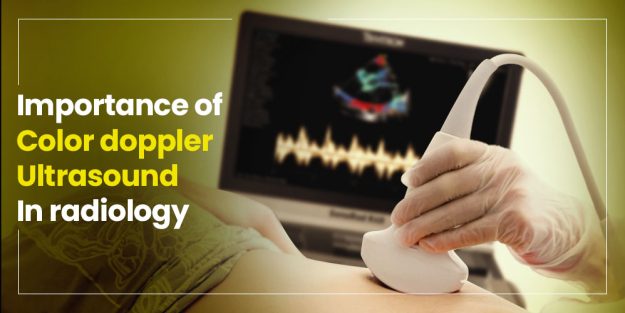
Importance of Color Doppler Ultrasound in Radiology
29 Apr 2024
Advancements in healthcare technology have revolutionized diagnostic procedures, offering more precise, efficient, and non-invasive methods. One such groundbreaking innovation is the color doppler ultrasound. The Color Doppler Machine, known as the best ultrasound machine available today, offers a whole new perspective in visualizing blood flow within the body, aiding in the diagnosis and management of various diseases.
Understanding Color Doppler Ultrasound
The Color Doppler Ultrasound is a special ultrasound technique that allows for real-time viewing of the blood flow in the arteries and veins. Unlike traditional ultrasound, Color Doppler employs the Doppler effect to capture and create a visual map of the speed and direction of blood flow within the vessels. The color-coded images produced are superimposed onto a standard gray-scale ultrasound to generate a comprehensive overview of the blood flow in relation to the surrounding tissues. The utility of Color Doppler Ultrasound, often referred to as Color Doppler Sonography, extends beyond the simple identification of blood flow. It also aids in the diagnosis of blockages, narrowing of vessels, or abnormalities in blood flow, making it a critical tool in managing various medical conditions.The Science Behind Color Doppler Sonography
The principle behind Color Doppler Sonography is relatively straightforward. It revolves around the Doppler effect, where a change in frequency or wavelength of a wave concerning an observer moving relative to the wave source is observed. In the context of Color Doppler Sonography, the ultrasound machine emits sound waves at a particular frequency towards the body. These waves hit a moving target, such as a red blood cell, which reflects a part of the wave back to the machine. Depending on the direction and speed of the red blood cell, the frequency of the reflected wave will be altered. This change in frequency, known as the Doppler shift, is then converted into colors to visualize blood flow.Benefits of Investing in a Color Doppler Machine
- Safety and Versatility: This non-invasive test involves no radiation, making it suitable even for pregnant women and children. It's a cornerstone of diagnosis across numerous fields of medicine.
- Diagnostic Power: Color Doppler sonography detects:
- Blood vessel blockages and narrowing
- Heart valve defects
- Potential tumor growth
- Congenital heart conditions (crucial for Color Doppler Tests in Pregnancy)
- Improved Accuracy: Supplementing standard ultrasounds offers far more comprehensive exams.
- Treatment Guidance: The technology is vital for planning interventions on blood vessels, tracking post-procedure blood flow, and pinpointing biopsy locations.
Key Uses of Color Doppler Ultrasound
- Vascular Studies: Assessing blood flow issues in the legs, neck, and abdomen.
- Echocardiography: Evaluating heart function and valve health which makes it one of the best ultrasound machines for cardiac care.
- Obstetrics: Color Doppler ultrasounds in pregnancy are invaluable for monitoring fetal blood flow and placental health (often termed USG Color Doppler pregnancy).
- Abdominal Studies: Examining blood flow in major organs.
- Others: Thyroid, scrotal, and tumor-related examinations.
Why Radiology Settings Should Invest in Color Doppler Ultrasound?
- Enhances Diagnostic Capabilities: Color Doppler upgrades standard ultrasound machines, leading to more comprehensive examinations and better patient outcomes.
- Attracts Referrals: Physicians frequently refer patients for Color Doppler studies, offering a service in demand makes a radiology setting more appealing.
- Cost-Effective: Compared to other advanced imaging modalities like CT scans or MRI, Color Doppler is relatively affordable.