

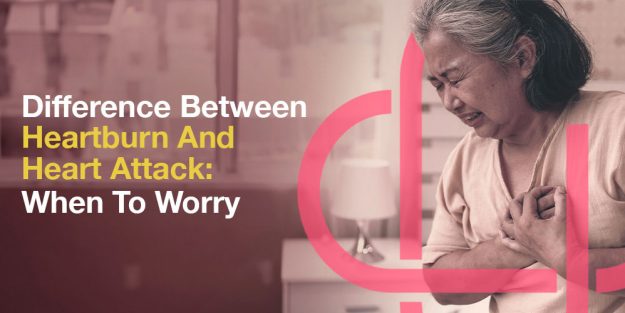
Difference Between Heartburn And Heart Attack When To Worry
26 Sept 2023
Heartburn and heart attack are two terms that are often used interchangeably, causing confusion and unnecessary panic for many individuals. While both conditions can cause discomfort in the chest area, it is crucial to understand their differences and know when to seek medical attention. In this blog post, we will explore the difference between heartburn and heart attack, providing you with valuable insights and tips on how to recognize when to worry.
Heartburn: The Burning Sensation
Heartburn is a common condition that occurs when stomach acid flows back into the esophagus, causing a burning sensation in the chest. It is often characterized by a sour or acidic taste in the mouth, regurgitation of food or liquid, and discomfort that tends to worsen after eating. This condition is typically caused by lifestyle factors such as consuming spicy or fatty foods, smoking, obesity, or pregnancy. Stress and certain medications can also trigger heartburn. What does heartburn feel like? While heartburn can be incredibly uncomfortable, it is generally harmless and can be managed with over-the-counter antacids or lifestyle changes. Avoiding trigger foods, eating smaller meals, and maintaining a healthy weight can significantly reduce the frequency and severity of heartburn episodesHeart Attack: A Life-Threatening Event
On the other hand, a heart attack is a serious medical emergency that occurs when blood flow to the heart muscle is blocked, usually by a blood clot. The lack of blood and oxygen can cause permanent damage to the heart if not treated promptly. Symptoms of a heart attack may include:- Chest pain or discomfort that feels like pressure, squeezing, fullness, or pain
- Pain that radiates to the arms (usually the left arm), jaw, neck, or back
- Shortness of breath
- Nausea, lightheadedness, or cold sweats
Heartburn vs Heart attack
Differentiating Heartburn From a Heart Attack
Although heartburn and a heart attack may share certain similarities, there are key distinctions that can help you determine whether you are experiencing one or the other. Understanding these differences can save precious time in seeking appropriate medical care. Here, we outline some of the differentiating factors:Location of Discomfort:
Heartburn: The burning sensation is typically felt behind the breastbone or in the upper abdomen. Heart Attack: The pain or discomfort is usually centralized in the chest area, often spreading to other parts of the body.Intensity and Duration:
Heartburn: The discomfort caused by heartburn is generally milder and shorter in duration. It typically subsides after taking antacids or making lifestyle changes. Heart Attack: The pain experienced during a heart attack is often severe and persistent. It may last for several minutes or even longer, requiring immediate medical attention.Trigger Factors:
Heartburn: Certain foods, beverages, or activities, such as lying down or bending over after a meal, can trigger heartburn symptoms. Heart Attack: Heart attacks can occur at any time, regardless of food intake or physical activity. Heart attack symptoms are often associated with exertion or emotional stress.Response to Medication:
Heartburn: Antacids or acid reducers, such as proton pump inhibitors (PPIs), are usually effective in relieving heartburn symptoms. Heart Attack: Medications used for heartburn relief do not alleviate or improve heart attack symptoms. Immediate medical intervention is required.Heart Attack in Women
Chest discomfort is not always a symptom of heart attack in women, some of the symptoms are usually disregarded. Flu-like symptoms such unusual exhaustion, nausea, weakness, and other symptoms could be misdiagnosed.When to Seek Medical Attention
While heartburn is generally harmless and can be managed at home, it is essential to recognize the warning signs of a heart attack. If you experience any of the following symptoms, it is crucial to seek immediate medical attention:- Intense, prolonged chest pain that spreads to the arms, jaw, neck, or back
- Shortness of breath or difficulty breathing
- Sudden weakness, dizziness, or fainting
- Excessive sweating or cold, clammy skin
- Nausea or vomiting that is unrelated to eating