

Coronavirus: All that you need to know
31 Jan 2020
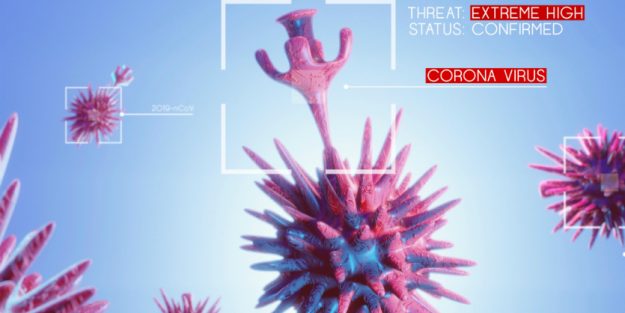
What is coronavirus? Coronaviruses (CoV) are a large family of viruses that cause illness ranging from the common cold to more severe diseases. Named after their crown-like shape, coronavirus was first identified in the 1960s. Common human coronaviruses, including types 229E, NL63, OC43, and HKU1, usually cause mild to moderate upper-respiratory tract illnesses, like the common cold. A novel coronavirus (nCoV-19) is a new strain that has not been previously identified in humans and is identified as the cause of an outbreak of respiratory illness first detected in Wuhan, China. Symptoms of Coronavirus infection: The symptoms of most coronaviruses are similar to any other upper respiratory infection. In most cases, you won't know whether you have a coronavirus or a different cold-causing virus, such as rhinovirus. Most common symptoms of coronavirus infection may include:
- Runny nose
- Headache
- Cough
- Sore throat
- Fever
- A general feeling of being unwell
- Wash your hands often with soap and water for at least 20 seconds. Use an alcohol-based hand sanitizer that contains at least 60% alcohol if soap and water are not available.
- Avoid touching your eyes, nose, and mouth with unwashed hands.
- Avoid close contact with people who are sick.
- Stay home when you are sick.
- Cover your cough or sneeze with a tissue, then throw the tissue in the trash.
- Clean and disinfect frequently touched objects and surfaces.
- Get plenty of rest
- Drink fluids
- Take over-the-counter medicine for sore-throat and fever