


Breast cancer remains one of the most common cancers affecting women worldwide. According to the World Health Organisation (WHO), nearly 2.3 million women were diagnosed with breast cancer in 2020, and it continues to be a leading cause of cancer-related deaths. While these numbers may sound daunting, the silver lining is this: when detected early, breast cancer is far more treatable, with survival rates significantly higher.
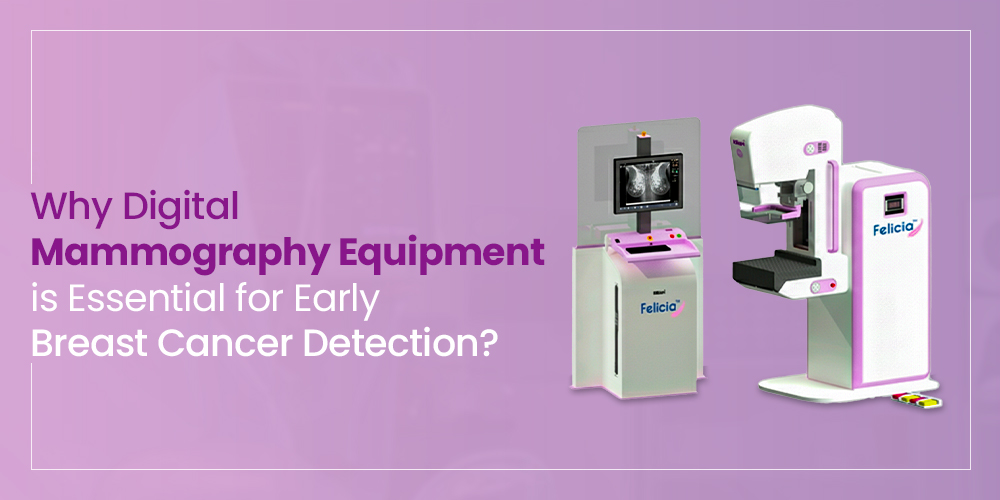
At the heart of early detection lies digital mammography equipment, a technology that has transformed how clinicians screen, diagnose, and monitor breast health. More than just a diagnostic tool, it is a lifeline, offering women a chance at timely treatment and peace of mind.
The Importance of Early Detection
Cancer care experts emphasise that early detection is key to saving lives. Breast cancer, in particular, progresses through stages, and when caught in the earliest phases, treatment can be less invasive and outcomes much more positive.
Traditional methods, such as physical exams or self-examinations, can sometimes miss small lumps or abnormalities. That’s where mammography, the use of X-ray imaging to examine breast tissue, comes in. Today, with digital mammography equipment, detection is not only more precise but also faster and safer.
What is Digital Mammography Equipment?
In simple terms, digital mammography is an advanced form of breast imaging that uses low-dose X-rays to capture detailed images of the breast. Unlike conventional film mammography, digital technology allows images to be stored electronically, enhanced for clarity, and easily shared between healthcare professionals.
Benefits of Digital Mammography:
- Improved image quality: Even the smallest tumours or calcifications can be detected with greater accuracy.
- Reduced radiation exposure: Modern systems use lower doses of radiation while still producing high-quality results.
- Faster results: Images are available almost instantly, helping speed up the diagnostic process.
- Enhanced sharing: Digital files can be transmitted electronically for second opinions or specialised review.
For hospitals and diagnostic centres looking to expand their services, mammography equipment for sale often features advanced digital options, giving institutions the tools they need to offer life-saving screening programs.
Why Digital Mammography is a Game-Changer
Digital mammography doesn’t just replace film; it elevates the entire process of breast cancer screening. Here’s how it makes a difference:
1. Higher Accuracy in Dense Breasts
Women with dense breast tissue often face challenges in traditional screenings, as dense tissue can mask tumours. Digital mammography, however, provides clearer contrast, helping radiologists detect abnormalities more effectively.
2. Early Detection of Microcalcifications
Tiny calcium deposits in the breast can sometimes be the earliest signs of cancer. With high-resolution imaging, digital systems can pick up these subtle changes far earlier than conventional film-based methods.
3. Streamlined Workflow for Clinicians
Healthcare teams benefit from easy image storage, retrieval, and comparison over time. This helps doctors track changes in breast tissue across years of screening.
4. Patient Comfort and Confidence
With modern breast cancer screening devices, the process is often quicker, less stressful, and gives patients reassurance that they are receiving the most advanced care available.
The Role of Breast Cancer Screening Devices in Public Health
Beyond individual diagnosis, breast cancer screening devices play a crucial role in public health initiatives. Regular screening programs allow healthcare providers to identify cancers at a population level, reducing the number of late-stage cases and ultimately lowering mortality rates.
Countries with organised screening programs have already seen significant improvements in survival outcomes. The accessibility of digital mammography systems ensures that these benefits can extend to more communities worldwide.
Choosing the Right Mammography Equipment
For hospitals, diagnostic centres, and even smaller clinics, investing in the right mammography system is a critical decision. The factors to consider include:
- Image quality and accuracy
- Radiation dose levels
- Ease of use for staff
- Patient comfort during screening
- Integration with hospital IT systems
Fortunately, with a wide range of mammography equipment for sale, institutions can choose a model that matches their patient volume, budget, and technical needs.
Final Thoughts
The battle against breast cancer is one where timing makes all the difference. Digital mammography equipment gives healthcare providers the power to detect cancer earlier, treat it more effectively, and ultimately save more lives.
For patients, it means reassurance. For clinicians, it means accuracy and efficiency. And for healthcare institutions, it represents an investment in better outcomes for their communities.
As providers continue to adopt advanced breast cancer screening devices, the future of early detection looks brighter. With trusted innovations such as Trivitron mammography solutions, the promise of saving lives through early detection is not just a possibility; it’s a reality being lived every day.
Frequently Asked Questions (FAQs)
1. Why is digital mammography equipment important for breast cancer detection?
Digital mammography provides higher accuracy, faster results, and clearer imaging compared to traditional film methods, making it essential for early diagnosis.
2. Are there mammography equipment for sale that support digital imaging?
Yes, many medical suppliers offer advanced digital mammography equipment for sale, designed to meet the needs of hospitals and diagnostic centres.
3. How do breast cancer screening devices improve outcomes?
By detecting tumours at earlier stages, screening devices reduce the number of late-stage cases and improve survival rates across populations.
4. What makes Trivitron mammography solutions unique?
Trivitron mammography solutions combine cutting-edge imaging technology with patient comfort and clinical efficiency, helping healthcare providers deliver reliable screenings.
5. Is digital mammography safer than traditional film mammography?
Yes. Digital systems typically use lower doses of radiation while still producing superior image quality, making them both safer and more effective.
6. How often should women undergo mammography screening?
Guidelines vary, but most experts recommend women aged 40 and above should have a mammogram every 1–2 years, or earlier if they have a family history of breast cancer.
7. Does digital mammography hurt?
Some women may experience slight discomfort or pressure during the exam, but it usually lasts only a few seconds. Modern breast cancer screening devices are designed to improve comfort while ensuring accuracy.
8. Can digital mammography detect all types of breast cancer?
While no single test is 100% accurate, digital mammography is highly effective in detecting most breast cancers, especially when combined with other diagnostic tools like ultrasound or MRI, if needed.
9. What’s the difference between 2D and 3D digital mammography?
2D mammography captures two flat images of the breast, while 3D (also called tomosynthesis) takes multiple images from different angles, providing a clearer, more detailed view that reduces false positives and improves early detection.10. Are digital mammography images easy to share with other doctors?
Yes. Since images are stored electronically, they can be easily transferred, reviewed, or compared with previous scans, which improves collaboration and decision-making among healthcare providers.