

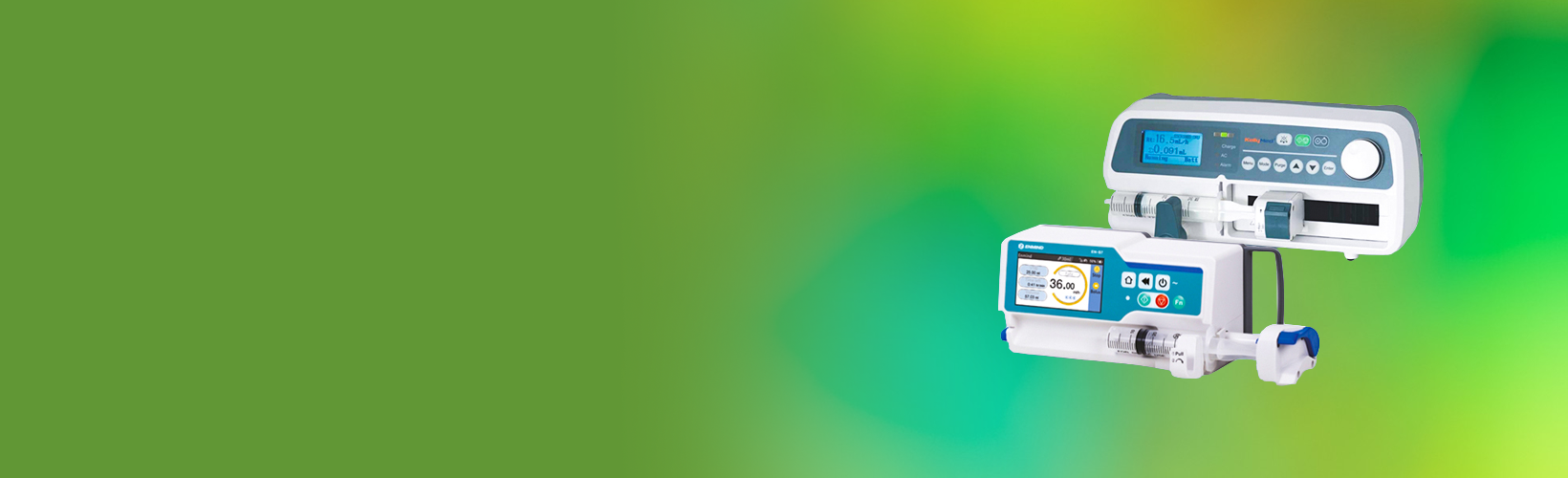
10 Things to Know About Infusion Pumps
18 Jul 2025
Infusion pumps are essential devices in the modern healthcare system, enabling precise and consistent administration of medications and fluids to patients. From intensive care units to home care, these machines are used in a broad range of medical conditions. They are now essential for managing both chronic and acute illnesses alike.
Ten essential things to know about infusion pumps are detailed below:
1. What Is an Infusion Pump?
An infusion pump is a medical device that administers fluids, such as drugs, nutrients, or blood, directly into a patient's bloodstream in predetermined volumes.
The device employs a flexible tube (catheter) that is placed in a vein or artery and is either manually operated or controlled electronically. The pumps are designed to provide accuracy, particularly in cases involving high-risk drugs.
2. How Do Infusion Pumps Work?
The majority of infusion pumps utilize electronic or mechanical components to regulate the flow of fluid. They typically work based on a quasi-peristaltic motion scheme and a three-chambered cassette. The healthcare provider's input setting includes the flow rate and dosage, normally expressed in milliliters per hour (mL/h). Safety features, such as pressure limits and occlusion alarms, ensure accurate delivery while also prioritizing patient safety.
3. Types of Infusion Pumps
There are several infusion pumps, each designed for different applications:
- Large Volume Pumps (LVPs): For fluid replacement or blood transfusion.
- Syringe Pumps: For smaller volume or pediatric use.
- Insulin Pumps: For diabetic patients to deliver insulin continuously.
- Patient-Controlled Analgesia (PCA) Pumps: Enable patients to self-administer pain medication within safety parameters.
- Total Parenteral Nutrition (TPN) Pumps: Administer nutrition intravenously.
- Ambulatory Pumps: Light, portable, and wearable for home care.
4. Used Throughout Medical Settings
Infusion pumps are used in hospitals, nursing homes, outpatient clinics, and even at home, for various purposes, including chemotherapy in oncology, antibiotics in infection control, and hydration in intensive care.
5. Accuracy and Precision
One of the primary advantages of using infusion pumps over manual intravenous administration is their ability to deliver precise and stable fluid volumes at controlled rates. These special delivery measures minimize the risk of human error and ensure uniform therapeutic outcomes.
6. Integrated Safety Features
Newer pumps have built-in intelligent safety features. These comprise:
- Occlusion alarms: Activated when there is a blockage in the tubing.
- Air-in-line detection: Blocks the entry of air bubbles into the bloodstream.
- Dose error reduction systems (DERS): Alert users if programmed amounts exceed safe limits.
- Battery Backup: Maintains uninterrupted operation even during power failure.
7. Increases Patient Comfort and Mobility
Ambulatory infusion pumps can be worn on clothing or belts, allowing patients to maintain mobility and increased independence.
This is particularly useful in long-term therapies like chemotherapy or pain management, where the patient does not have to remain restricted to a hospital bed.
8. Wide Range of Uses
Infusion pumps find their application in a wide variety of clinical uses:
- Cancer Treatment: Infusion of chemotherapeutic agents for extended periods.
- Nutrition Therapy: Provision of nutrients to patients unable to take orally.
- Pain Relief: Administration of analgesics after surgery or in palliative therapy.
- Antibiotic Treatment: Particularly necessary in severe infections where uniform blood levels of antibiotics are required.
9. Advantages of Infusion Pumps
- Convenience: Programming ensures timed, automatic administration without constant watching.
- Safety: Eliminates the risk of under- or over-dosing.
- Consistency: Maintains steady therapeutic drug levels.
- Reduced Workload: This frees up time for healthcare staff, enhancing their efficiency.
10. The Future
Smart infusion pumps are being increasingly integrated into hospital information systems, facilitating enhanced data tracking, reduced medication errors, and informed decision-making. Trivitron Healthcare brings user-friendly, patient-oriented infusion technologies that improve outcomes and patient satisfaction.
Infusion pumps are a necessity of today's healthcare for their accuracy, dependability, and versatility. Used either in critical care or for long-term conditions at home, they make sure life-saving medications are administered with precision and safety.
For more information on our range of medical devices, please visit our product page or contact our team to discuss personalized solutions tailored to your facility's specific needs.